
40+ Years Fighting Insurance Companies
Los Angeles Health Insurance Denial Lawyers
Your doctor says you need the treatment. Your insurance company says it will not pay. The insurer does not necessarily get the final word. Gianelli & Morris represents California policyholders facing denied medical treatment, medications and other health insurance benefits—including cases involving Anthem Blue Cross, Blue Shield, Kaiser and other major health plans.
- 40+ YearsRepresenting California policyholders
- 5 AttorneysFocused insurance-law team
- Hundreds of MillionsRecovered for policyholders
- CaliforniaStatewide Reach
A Denial Is a Decision. It Is Not Always the End of the Case.
The right response starts with the actual denial—not a generic appeal template. Send us the denial and let us evaluate what happened.
What was denied?
Treatment, surgery, medication, mental health care, specialist care, testing or another insurance benefit?
Why was it denied?
Medical necessity? Experimental treatment? Prior authorization? Network restrictions? An exclusion? Another coverage issue?
What can be done about it?
Depending on the plan and denial, options can include an insurance grievance or appeal, Independent Medical Review, Medi-Cal appeal, regulatory complaint or legal action.
Fighting Health Insurance Denials in California
A health insurance denial is different from an ordinary dispute over money.
It can determine whether someone gets surgery, medication, treatment or access to the physician their condition requires. Insurance companies deny care for many reasons. They may claim that treatment is not medically necessary, is experimental or investigational, requires prior authorization, falls outside the network, is excluded from coverage or does not satisfy another provision of the health plan. But the denial letter is only the insurer’s position. It is not the entire case.
Gianelli & Morris examines the insurance policy or Evidence of Coverage, the medical record, treating-physician recommendations, prior authorization requests, clinical criteria, correspondence and the insurer’s explanation for refusing coverage. We then determine whether the decision can be challenged—and the strongest way to challenge it.
Health Insurance Cases We Handle
- Medical necessity denials
- Surgery and procedure denials
- Prescription drug denials
- Specialty medication denials
- Cancer treatment
- Mental and behavioral health treatment
- Residential treatment
- Rehabilitation
- Diagnostic testing and imaging
- Specialist care
- Out-of-network treatment
- Prior authorization disputes
- Experimental or investigational treatment
- Reconstructive surgery
- Durable medical equipment
- Complex and ongoing medical care
We Don’t Just Challenge Insurance Companies. We Have Changed What They Cover.
Gianelli & Morris has litigated major health insurance disputes involving some of the country’s largest health plans. Representative matters include:
- Estimated medical benefits
$150M est. benefit
Gallimore v. Kaiser Foundation Health Plan, Inc.
A class action trial against Kaiser for violating California’s reconstructive surgery law: judgment for thousands of Kaiser members entitled to excess skin surgery after massive weight loss, approximately $150 million in benefits.
Health Insurance - Jury verdict
$7.2M
LaRue v. Health Net of California, Inc. et al.
A $7.2 million jury verdict in a case against a managed care company over its failure to provide a Health Net member with a timely referral to a surgeon.
Health Insurance - Class action settlement
$3.2M
Woelk v. Blue Cross of California
A class action settlement against Anthem Blue Cross over its failure to provide reconstructive surgery benefits. Class members received reimbursement for reconstructive surgery costs.
Health Insurance - Class action settlement
Coverage secured
Escalante v. Blue Shield of California
A class action against Blue Shield for denying artificial lumbar disc replacement surgery as “investigational.” As part of the settlement, Blue Shield changed its practice and now covers the surgery.
Health Insurance
Prior results do not guarantee or predict a similar outcome in any future matter.


Did Anthem Deny Treatment Your Doctor Says You Need?
Anthem Blue Cross cases are a significant part of Gianelli & Morris’s health insurance practice. An Anthem denial may rely on medical necessity, clinical criteria, prior authorization requirements, network restrictions, an exclusion, an experimental or investigational classification, or another provision of the health plan. That explanation can be challenged. Our lawyers examine the written denial alongside the actual Evidence of Coverage and medical record.
We want to know:
- What did Anthem deny?
- What reason did Anthem give?
- What does the health plan actually say?
- What did the treating physician recommend?
- What evidence did Anthem consider?
- Was relevant evidence overlooked?
- What appeal or review rights remain?
Gianelli & Morris has previously litigated against Anthem Blue Cross over health-plan benefits, including a class action that resulted in reimbursement for reconstructive surgery costs.


Medi-Cal Denied Medical Care or Benefits?
For someone who depends on Medi-Cal, a denial can directly affect access to treatment, medication, specialists, equipment or other necessary medical services.
Medi-Cal decisions can be challenged.
If you receive Medi-Cal through a managed care plan, a denial may involve the plan’s appeal process and potentially a State Fair Hearing. Other Medi-Cal cases may follow a different process.
Do not ignore a Notice of Action or assume the first denial is final. Appeal and hearing deadlines can apply.
The important thing is to understand exactly:
- Who made the decision
- What service was denied
- Why it was denied
- What the Notice of Action says
- Whether an appeal has already been filed
- What deadlines apply
Gianelli & Morris represents clients facing qualifying Medi-Cal coverage and managed-care disputes throughout California.
We evaluate Medi-Cal matters involving:
- Denied medical treatment
- Prescription medication
- Specialist care
- Reduction of services
- Modification of requested care
- Prior authorization
- Medical necessity
- Managed care plans
- Coverage disputes
- Adverse appeal decisions
We Know the Companies Behind the Denial
For more than four decades, Gianelli & Morris has fought major insurance companies on behalf of California policyholders. Each insurer has its own policies, claims procedures, medical-review systems and coverage language. Experience with the company behind the denial can matter.
Health Insurance Companies

Gianelli & Morris handles Anthem disputes involving health-plan benefits, medical necessity, treatment authorization and other coverage issues.

Our firm has challenged Blue Shield health-plan decisions, including litigation over treatment classified as investigational.

Gianelli & Morris has litigated significant cases involving Kaiser health-plan benefits and access to reconstructive medical care.

We represent qualifying California policyholders in disputes involving denied UnitedHealthcare benefits and coverage.

Our experience includes litigation challenging Aetna’s refusal to cover medical treatment characterized as experimental or investigational.

Gianelli & Morris evaluates qualifying health insurance and bad-faith disputes involving Cigna.

Our lawyers handle qualifying disputes involving Health Net coverage and medical benefits.

We represent qualifying Medi-Cal beneficiaries facing denied health care services and managed-care disputes.
Life Insurance Companies
Gianelli & Morris also represents policyholders and beneficiaries in selected life insurance disputes involving companies including:


Don’t See Your Insurance Company?
This is not a complete list. If an insurer denied your treatment, coverage or benefits, tell us what happened and we can determine whether your case is one we handle.
Have Us Review Your Denial
Insurance Lawyers for the Sick and Injured. Not Injury Lawyers Who Also Handle Insurance Cases.
Specialized Practice
Health insurance law is not an occasional practice at Gianelli & Morris. It is what we do. Many law firms deal with insurance companies because they handle car accidents, premises-liability claims and other personal injury cases.
Four Decades
That is different from representing a policyholder when the dispute is over the insurance contract itself. Gianelli & Morris has spent more than four decades representing California policyholders in disputes over insurance coverage, denied benefits and bad faith. We understand how insurance policies are written.
We Know Where To Look
We understand how claims are evaluated. We understand the arguments insurers use to deny coverage. And when a health plan tells a patient that surgery, treatment or medication will not be covered, we know where to start looking for the answer.
The question isn’t simply whether the denial feels unfair. The question is whether the insurer can defend it under the policy, the evidence and California law.

How We Approach a Health Insurance Denial
We Read the Denial
Why did the insurer say no? The stated reason often determines the evidence, appeal rights and legal issues that matter next.
We Read the Coverage
We compare the denial to the policy or Evidence of Coverage, including definitions, exclusions, authorization requirements and other relevant provisions.
We Examine the Medical Evidence
What did the treating doctors recommend? What evidence was submitted? What evidence did the health plan rely on? What may have been ignored or misunderstood?
We Identify the Right Challenge
Depending on the coverage and circumstances, the next step may involve a grievance, appeal, Independent Medical Review, Medi-Cal appeal, regulatory complaint or legal action.
We Escalate When Appropriate
If the insurer continues to deny benefits, we evaluate what additional administrative or legal remedies are available and whether the handling of the claim may constitute insurance bad faith.
There is no universal appeal letter for every health insurance denial. A strong challenge starts with understanding exactly why this insurer denied this treatment under this policy.

When Does an Insurance Denial Become Bad Faith?
Not every insurance denial is bad faith.
That distinction is important. Insurance companies are entitled to investigate claims and can dispute coverage when they have a reasonable basis for doing so. But an insurer also has obligations to its policyholders. A health insurance dispute may raise bad-faith issues when an insurer unreasonably denies covered benefits, delays a decision, fails to adequately investigate, disregards relevant evidence, misapplies policy language or otherwise handles the claim unreasonably.
Potential bad-faith conduct can include
- Unreasonable denial of covered benefits
- Unreasonable delay
- Failure to properly investigate a claim
- Failure to consider relevant medical evidence
- Misapplication of policy provisions
- Failure to adequately explain a denial
- Unnecessary or repetitive information demands
- Other unreasonable claims-handling practices
We may need to answer two separate questions: “Was the coverage decision wrong?” And: “Was the insurer unreasonable in making or handling that decision?” Gianelli & Morris evaluates both.

Insurance Denials Are Often Won in the Details
The Denial Letter
What exactly did the insurance company deny—and what reason did it give?
The Evidence of Coverage
Does the insurer’s interpretation match the actual policy language?
The Medical Record
What treatment was recommended, by whom and why?
Clinical Criteria
What standards did the insurer use to decide that the requested care should not be covered?
Prior Authorization
What information was submitted before the denial?
The Claims Record
Did the insurer change its reasoning, ignore information or create unnecessary delay?
Previous Appeals
What has already been argued and what options remain?




Why Gianelli & Morris
40+ Years of Insurance Law
Our lawyers have represented California policyholders for more than four decades.
Health Insurance Experience
Our work includes medical-treatment denials, health-plan benefits, medical necessity disputes and major litigation involving health insurers.
Individual & Class Action Experience
Our attorneys represent individual policyholders and consumer classes in complex insurance disputes affecting thousands of insureds.
Proven Litigation Results
Our firm’s history includes major verdicts, settlements and class actions involving insurance coverage and policyholder benefits.
Attorney Guidance
Your case is a legal dispute over insurance coverage—not a customer-service ticket. You should understand why the insurer denied the claim and what can be done next.
Major Insurer Experience
Anthem. Blue Shield. Kaiser. UnitedHealthcare. Aetna. Cigna. Health Net. We know who is on the other side.





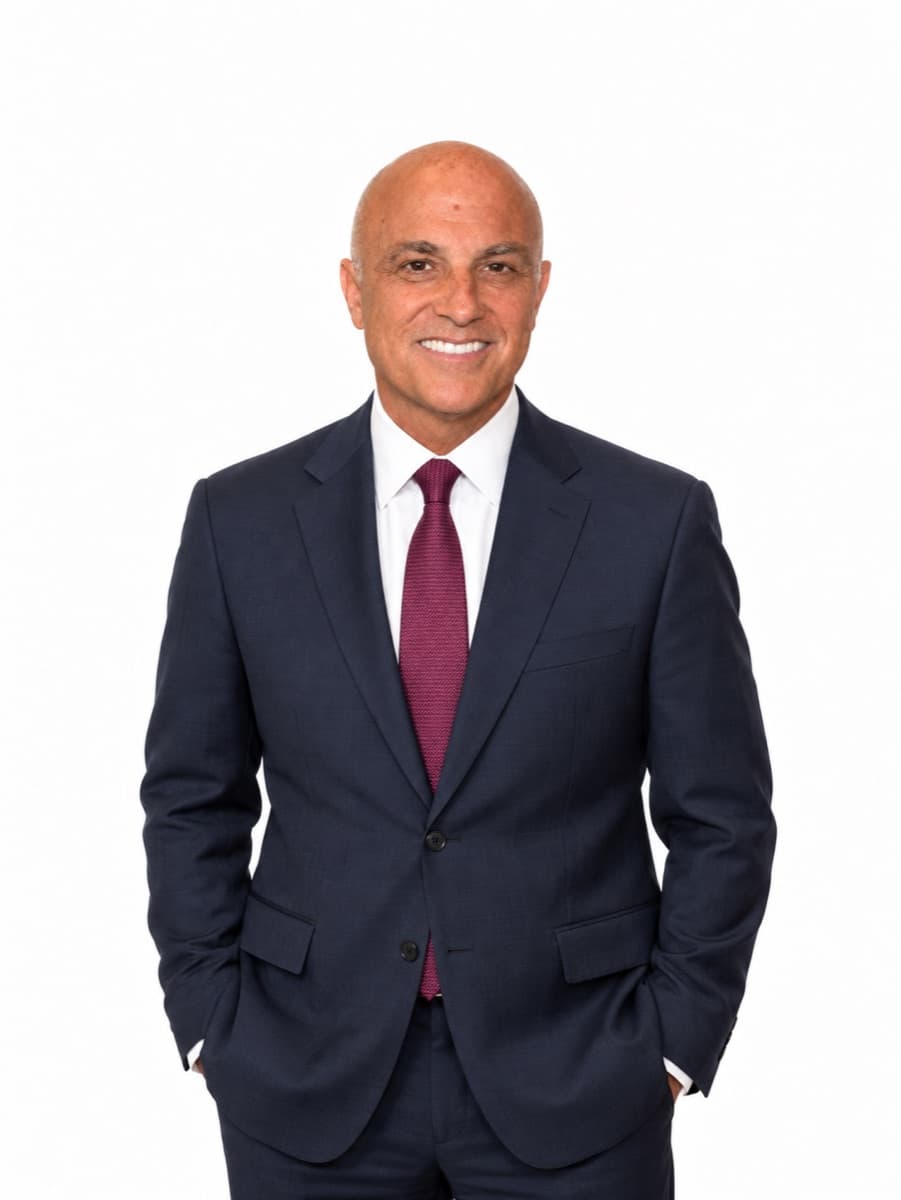
Five Attorneys. One Focused Insurance Practice.




Client Testimonials
5 out of 5 stars
You're the best!
I want to take this opportunity to thank you and the legal team for fighting for us lipo warriors. I feel so much appreciation and vindication. It's a good, cleansing feeling. I also wish to thank you, personally, for promptly responding to my emails. Stay happy and healthy! You're the best!
Karen H. 5 out of 5 stars
Rob is amazing at what he does!!
Thank you Carter for the call. We are all very appreciative of everything you and Rob have done for us. I know we picked the right people to fight for us. Rob is amazing at what he does!!
Previous Client 5 out of 5 stars
Your response made me realize that there is help out there.
Thank you so much for responding to my communication to you so promptly. Your response is highly appreciated. Just by writing to you, made a big difference to my present frustrating situation. Knowing that someone out there is willing to listen to your problem, brought a serious relief for my anxiety and stress. Your response made me realize that there is help out there, no matter what problems one is facing. Thank you, thank you so much, Gianelli and Morris! And may God bless you more for your kindness! Continue to do the good work!
Matshidiso P. 5 out of 5 stars
Thank you so much, Gianelli and Morris!
Dear Gianelli & Morris, Just by writing to you, made a big difference to my present frustrating situation. Knowing that someone out there is willing to listen to your problem, brought a serious relief for my anxiety and stress. Your response made me realize that, there is help out there, no matter what problems one is facing. Thank you, thank you so much, Gianelli and Morris! And may God bless you more for your kindness! Continue to do the good work!
M.P. 5 out of 5 stars
I would recommend Gianelli & Morris, Carter Spohn without reservation.
I had a health care coverage dispute with a main health care provider and had hit an apparent wall. Then I reached out to Gianelli & Morris, Carter Spohn. That's when my world changed for the better. No longer was it me trying to come to a resolve as David against Goliath. With Gianelli & Morris I was now well represented and we came to an acceptable resolve quickly :). If you need or want someone on your side of the fence, advocating your position I would recommend Gianelli & Morris, Carter Spohn without reservation.
Larry 5 out of 5 stars
I couldn't be happier with the outcome of my case or Gianelli & Morris' services.
Gianelli & Morris reviewed and settled our case within 8 months which is unheard of in healthcare litigation. I personally work in healthcare litigation and generally know what to expect and I was blown away by this firm. From the time I contacted them through their website to the end of the case this firm was extremely straight forward on what I could expect, the litigation process and the timelines for the case. Both the attorneys and staff were extremely helpful and answered all of my questions in a timely manner. The bottom line is they delivered way more than they prepared me to expect. I couldn't be happier with the outcome of my case or Gianelli & Morris' services. I would recommend this firm to anyone who has a similar situation.
Sara 5 out of 5 stars
I felt I was actually being heard.
This was the first time I've ever been involved in a lawsuit, seeking medical compensation from my healthcare provider. I'm so grateful that I was referred to Gianelli & Morris. After listening to my story, I felt I was actually being heard. Not only did they understand my situation, they felt that I deserved to receive compensation for what I had been through. There was a lot of communication and I was always kept up to date and in the loop every step of the way. I'm very happy with the outcome and very pleased with my settlement. I was so impressed by the integrity, compassion and genuine concern demonstrated by everyone at Gianelli & Morris!! They did an AWESOME job representing me!!!!! Thank you Rob, Carter and Loring (my Dynamic Trio)!!!
Elena 5 out of 5 stars
They truly care about you.
I contacted Gianelli & Morris through their website for assistance on a dispute with my PPO insurance carrier. Within minutes, one of their attorneys called me to review my dispute. Even though my case was an (ERISA) employer sponsored insurance case that they do not handle, the attorney took the time to suggest my other options. One of the options was to file a complaint with the CA Department of Insurance for an Independent Medical Review. After a few short weeks, the ruling was in my favor and the Insurance companies denial was Overturned. i can now get my life saving surgery. Thanks to the excellent staff at Gianelli & Morris for your help! "They truly care about you"
Michael 5 out of 5 stars
My battle is ongoing, but I know they are always in my corner.
I don't even know where to begin. All I can say is that, from the first call that I had with Gianelli & Morris, to the very last one I had just a couple of days ago, I felt that I had full support. It wasn't just about the issue at hand, but it was about my well being, mentally as well as physically and emotionally. Going through what I've been through, puts you on an emotional roller coaster. From days you are not sure how you can survive one more minute, to believing that what you are fighting for is just, and knowing you have to keep fighting. I am forever grateful to Gianelli & Morris. The thing you have to remember is that they are fighting this fight with you and for you, and if you come up short, they do too. Not too many people are willing to do that without knowing which way it will end. My battle is ongoing, but I know they are always in my corner. THANK YOU! If you need someone who is willing to go to bat for you, you can count on them 100%.
Jessica 5 out of 5 stars
I would unhesitatingly continue to refer clients, friends and family should their insurance claims be wrongfully denied.
I am a California attorney. I have worked with Gianelli & Morris and know Rob Gianelli to be one of the top Los Angeles litigation attorneys in the area of insurance bad faith. I have referred several matters to the firm and am very happy with the manner in which Rob and his staff approached legal issues on behalf of their clients. I would unhesitatingly continue to refer clients, friends and family should their insurance claims be wrongfully denied.
Larry
Frequently Asked Questions
Can I fight a health insurance denial in California?
Yes.
Many California health insurance denials can be challenged.
The correct process depends on the type of health plan and why the service or benefit was denied. Depending on the case, available options may include a grievance or appeal with the health plan, Independent Medical Review, a complaint with the appropriate regulator or legal action.
The first step is to obtain the written denial and identify the insurer’s stated reason for refusing coverage.
What should I do if my health insurance denies treatment?
Keep the denial letter.
Then gather the documents connected to the requested treatment, including your Evidence of Coverage or policy, medical records, treating-physician recommendations, prior authorization requests and communications with the insurer.
Determine whether an appeal deadline applies.
A health insurance denial lawyer can review those materials and identify the options available for challenging the decision.
What should I do if Anthem Blue Cross denies treatment?
Start with Anthem’s written reason for the denial.
Anthem may rely on medical necessity, clinical criteria, prior authorization, network restrictions, policy exclusions or an experimental or investigational classification.
The next step is to compare Anthem’s stated reason with the Evidence of Coverage and the medical evidence supporting the requested treatment.
Gianelli & Morris handles Anthem Blue Cross health insurance denial cases throughout California.
Can a “not medically necessary” denial be challenged?
Yes, in appropriate cases.
Medical-necessity disputes can involve the insurer’s clinical criteria, the Evidence of Coverage, the patient’s medical condition and the evidence supporting the treating physician’s recommendation.
Certain medical-necessity decisions may also qualify for Independent Medical Review.
What is an Independent Medical Review in California?
An Independent Medical Review, commonly called an IMR, is a process in which independent physicians who are not part of the health plan review certain disputed health-plan decisions.
Qualifying disputes can include decisions based on medical necessity and certain experimental or investigational treatments.
If an IMR overturns the health plan’s qualifying denial, the plan must authorize the service.
Do I have to appeal to my health plan before requesting an IMR?
In most cases, a health-plan grievance or complaint comes first.
There are exceptions, including situations involving an immediate threat to health and certain experimental or investigational treatment denials.
Because the correct process depends on the circumstances, the denial should be reviewed promptly.
Can a Medi-Cal denial be appealed?
Yes.
For Medi-Cal managed care, members generally have the right to appeal a denial of a health care service or benefit to their health plan.
If the appeal does not resolve the dispute, a State Fair Hearing may also be available.
Fee-for-service Medi-Cal follows a different procedure.
Deadlines apply, so the Notice of Action should be reviewed promptly.
Can I sue my health insurance company for denying treatment?
Potentially.
But filing a lawsuit is not necessarily the first or correct step in every health insurance dispute.
The available remedy depends on the coverage, policy language, reason for the denial, administrative procedures that apply and the insurer’s conduct.
An insurance attorney can review those issues and determine the appropriate next step.
Is every wrongful insurance denial bad faith?
No.
An insurance company can make an incorrect coverage decision without necessarily committing insurance bad faith.
Bad faith generally requires unreasonable conduct by the insurer in denying, delaying, investigating or otherwise handling a covered claim.
A bad-faith analysis therefore looks at both the insurer’s coverage decision and how the insurer reached that decision.
What documents should I save after an insurance denial?
Keep:
- The denial letter
- Evidence of Coverage or insurance policy
- Explanation of Benefits documents
- Medical records
- Physician recommendations
- Prior authorization requests
- Appeal and grievance documents
- Emails and letters from the insurer
- Notes from telephone calls
- Regulatory or external-review decisions
These documents can help an attorney reconstruct what happened and identify the available options.
How quickly should I act after an insurance denial?
Promptly.
Health-plan grievances, external review and Medi-Cal proceedings can involve deadlines. The urgency of the patient’s medical condition can also affect the available review process.
Do not allow a serious treatment denial to sit while assuming nothing can be done.
What insurance companies does Gianelli & Morris handle?
Gianelli & Morris has handled disputes involving major insurers including Anthem Blue Cross, Blue Shield of California, Kaiser, UnitedHealthcare, Aetna, Cigna, Health Net, MassMutual, Allianz, Prudential, New York Life, MetLife and others.
The firm also handles qualifying Medi-Cal managed-care disputes.
Does Gianelli & Morris handle ERISA cases?
No.
Gianelli & Morris does not handle ERISA-governed employee benefit cases.
The firm does evaluate selected individual and other qualifying non-ERISA long-term disability insurance disputes.
Does Gianelli & Morris offer a free consultation?
Yes.
Gianelli & Morris offers a free consultation to evaluate qualifying insurance denial matters.
Call 213-489-1600 or submit the case-review form.
Now Find Out What You Can Do About It.
If Anthem Blue Cross, Blue Shield, Kaiser, UnitedHealthcare, another health insurer or a Medi-Cal managed care plan denied treatment or benefits, do not assume the first answer is the final answer. Gianelli & Morris has spent more than four decades fighting insurance companies on behalf of California policyholders. Tell us what was denied. Send us the denial. Let us help you understand the next move.